
If you brush every day but your gums are still red, swollen, tender, or irritated, it can feel confusing and frustrating. Many people assume brushing alone should solve gum problems. But in reality, inflamed gums often point to a deeper issue that your current routine is not addressing.
Gum inflammation can happen even when you are brushing twice daily. The problem may be related to plaque buildup below the gumline, aggressive brushing, flossing mistakes, irritating ingredients in oral care products, poor nutrition, dry mouth, or early gum disease. In some cases, your gums may need more than a toothbrush and toothpaste to calm down and heal.
The good news is that you can often improve inflamed gums with the right combination of gentle oral care, healthy habits, and supportive natural products. One option many people look at is Nature’s Smile, a natural gum balm designed to support gum health and target areas that regular brushing may miss.
In this guide, you will learn why your gums may still be inflamed, what signs to watch for, natural ways to soothe them, and how to build a better gum care routine.
Table of Contents
Why Are My Gums Inflamed Even Though I Brush Every Day?
Brushing is essential, but it is only one part of gum care. If your gums are still inflamed, there may be one or more hidden reasons behind it.
1. You may be brushing too hard
A lot of people think brushing harder means cleaning better. In reality, aggressive brushing can irritate and damage the gum tissue. This may leave your gums red, sore, and even prone to recession over time. ADA
Signs of overbrushing include:
- Tender gum edges
- Tooth sensitivity
- Gum recession
- Frayed toothbrush bristles very quickly
Using a soft-bristled brush and gentle circular motions is usually much better for your gums.

2. Plaque and bacteria may still be trapped below the gumline
Brushing cleans the visible surfaces of the teeth, but it may not fully remove bacteria from the spaces between teeth or the pockets around the gums. When plaque stays in these areas, it can trigger inflammation.
This is one reason why someone may brush regularly but still deal with swollen gums, bleeding, or soreness.
3. Your flossing technique may be irritating your gums
Flossing is important, but snapping floss harshly into the gums can lead to irritation. If your gums bleed or hurt after flossing, the problem may not be flossing itself, but how it is being done.
A gentle, curved flossing motion around each tooth is much kinder to the gums.
4. Your toothpaste or mouthwash may be too harsh
Some oral care products contain strong foaming agents, alcohol, artificial flavors, or other ingredients that may irritate sensitive gums. If your mouth feels dry, burned, or extra tender after using a product, it may not be the best choice for you.
5. Early gum disease may be developing
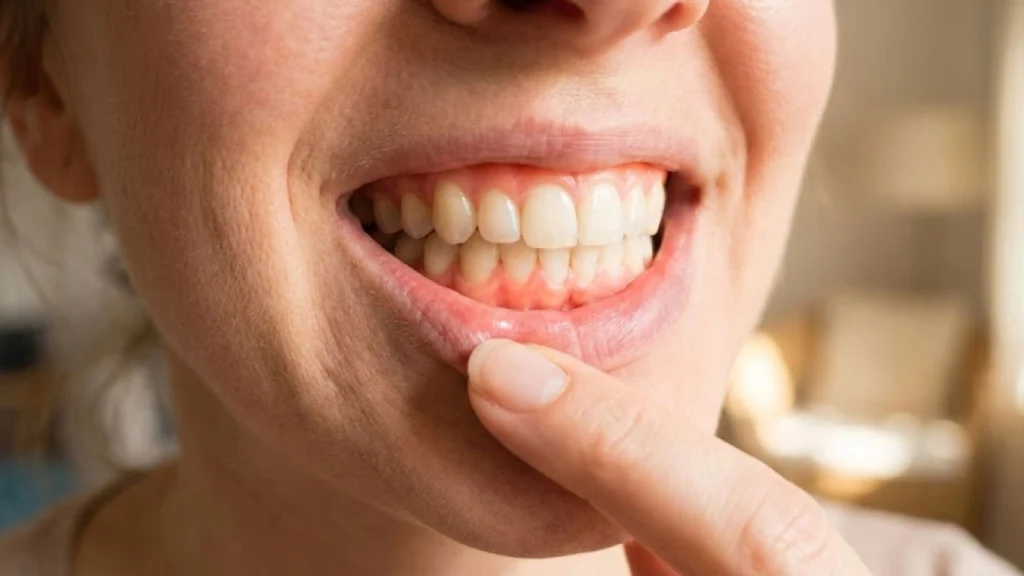
Persistent gum inflammation is often one of the earliest signs of gingivitis. If left untreated, gingivitis may progress into more serious gum problems. That is why ongoing inflammation should never be ignored.
6. Dry mouth may be making things worse
Saliva helps protect your mouth by washing away food particles and bacteria. If your mouth is dry from dehydration, stress, medications, or mouth breathing, your gums may become more vulnerable to irritation and inflammation.
7. Your diet may be affecting your gum health
Low intake of vitamin C, vitamin D, antioxidants, and other key nutrients may weaken the body’s ability to maintain healthy gums. Too much sugar and processed food may also contribute to bacterial growth in the mouth. NIDCR

Common Signs of Inflamed Gums
Sometimes gum inflammation is mild at first, so people ignore it. Watch for these signs:
- Red or swollen gums
- Bleeding while brushing or flossing
- Tenderness or soreness
- Gum puffiness
- Persistent bad breath
- Receding gums
- A feeling that your gums are “soft” or irritated
If these symptoms continue, it is a sign that your oral care routine needs attention.
Can Inflamed Gums Heal Naturally?
In many cases, mild gum inflammation can improve naturally when the cause is addressed early. The key is to reduce irritation, control bacteria, and support the healing process.
That means:
- Brushing gently
- Cleaning between teeth correctly
- Avoiding irritating products
- Staying hydrated
- Eating nutrient-rich foods
- Using supportive gum care products
Natural support can be especially helpful when you want to go beyond basic brushing.
Best Natural Ways to Soothe Inflamed Gums
Switch to a soft toothbrush
A soft-bristled brush is far less likely to injure already sensitive gums. Electric toothbrushes with pressure control can also help if you tend to brush too hard. AAP

Use warm salt water rinses
A simple warm salt water rinse may help soothe irritated gum tissue and freshen the mouth. It is not a cure, but it can be a useful part of a gentle routine. Cleveland Clinic+1
Stay hydrated
Drinking enough water supports saliva production and may help reduce the buildup of harmful bacteria in the mouth.
Eat anti-inflammatory foods
Foods rich in vitamin C, omega-3 fats, leafy greens, berries, and antioxidant-rich vegetables may support healthier gums from within.
Avoid tobacco and limit sugar
Smoking and excess sugar can make gum irritation worse. Reducing both can support faster improvement.
Massage the gums gently
Some people find that gentle gum massage improves circulation and helps the gums feel better. Be very gentle and never rub hard.
Brushing Technique Matters More Than You Think
If you are brushing correctly but still have inflamed gums, your technique may need a few adjustments. CDC
How to brush for healthier gums?
- Use a soft-bristled toothbrush
- Hold the brush at a 45-degree angle to the gumline
- Use small circular motions
- Brush for two full minutes
- Do not scrub aggressively
- Replace your brush regularly
The goal is not to scrub your gums into health. It is to remove plaque gently without causing more irritation.
Why Inflamed Gums Need More Than Just Toothpaste?
Toothpaste is designed mainly to clean the teeth. Many formulas are not specifically made to deeply support irritated gum tissue or target the gumline in a meaningful way. That is why people with ongoing gum issues often look for more specialized support.
This is where a targeted product may fit into your routine.
How Nature’s Smile Fits Into a Gum Care Routine?
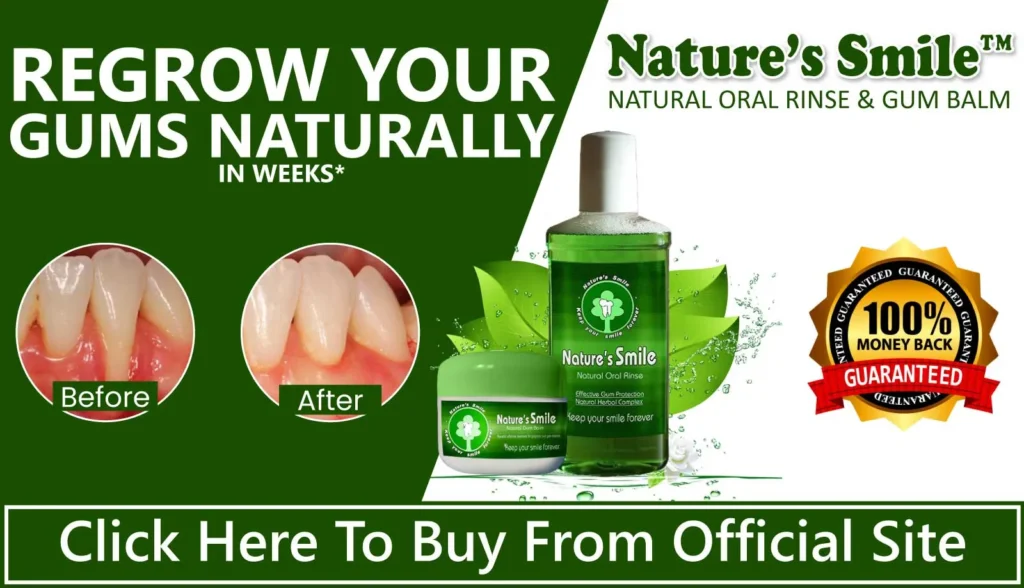
If you are promoting natural oral care, Nature’s Smile can be discussed as a gum-focused option for people dealing with stubborn gum problems. Unlike standard toothpaste, Nature’s Smile is marketed as a concentrated herbal gum balm created to support gum health directly at the source. NCBI
Its natural formula is commonly associated with botanical ingredients traditionally used for oral care, and many users are drawn to it because it is designed for direct application along the gums rather than only general tooth cleaning.
Why some people use Nature’s Smile for inflamed gums?
People interested in Nature’s Smile often like it for these reasons:
- It is aimed specifically at gum care
- It can be applied directly to problem areas
- It fits well into a natural oral care routine
- It is often chosen by those seeking alternatives to harsh oral products
For someone brushing daily but still dealing with inflamed gums, adding a gum-focused product like Nature’s Smile may offer extra support as part of a broader routine. NIH
Potential Benefits of Using Nature’s Smile?
While results vary from person to person, Nature’s Smile is often promoted for helping support:
Gum comfort
A direct-application balm may help soothe areas that feel irritated or sensitive.
Cleaner gumline care
Because the product is applied right where the gums meet the teeth, many users see it as a more targeted approach than toothpaste alone.
Natural oral wellness
For readers who prefer herbal or plant-based products, Nature’s Smile may feel more aligned with their lifestyle than conventional gum products.
Routine consistency
A product that is easy to apply may encourage users to stay more consistent with gum care, which is important for seeing improvement over time. Mayo Clinic
How to Use Nature’s Smile Alongside Brushing?
A simple gum care routine may look like this:
Morning
Brush gently with a soft toothbrush, floss carefully, then apply Nature’s Smile to the gums as directed.
Midday
Rinse with water after meals and avoid sugary snacks if possible.
Evening
Brush again, floss gently, and reapply Nature’s Smile to support overnight gum care.
The idea is to make your routine more targeted, not just more aggressive.
When Brushing Alone Is Not Enough
There are times when brushing alone simply cannot solve the problem. If the inflammation is connected to gum pockets, hardened plaque, ongoing bacterial buildup, or chronic irritation, a basic routine may fall short.
That is why many people search for answers when they keep asking, “Why are my gums still inflamed if I brush every day?” The answer is usually that gum health requires a more complete approach. Cleveland Clinic
Helpful Habits for Long-Term Gum Health
If you want better results, focus on consistency. Small habits add up.
Daily habits that may help
- Brush gently twice daily
- Floss carefully once a day
- Use a soft toothbrush
- Drink more water
- Limit sugary foods and drinks
- Avoid smoking
- Choose gentle oral care products
- Support your routine with a gum-focused product like Nature’s Smile
When to Take Gum Inflammation Seriously?
Mild irritation may improve with better care, but persistent symptoms should not be ignored.
You should pay closer attention if you have:
- Bleeding that does not improve
- Gum recession
- Pain when chewing
- Persistent swelling
- Loose teeth
- Chronic bad breath
- Deep pockets around the gums
These symptoms may suggest a more advanced gum issue that needs professional attention.
A Smarter Approach to Inflamed Gums
If you are brushing every day and your gums still look red or feel irritated, do not assume your mouth just needs more force. In most cases, it needs a smarter approach. ADA
Healthy gums are supported by:
- Gentle brushing
- Better plaque control
- Reduced irritation
- Nutritional support
- Consistent targeted care
That is why many people move beyond basic brushing and add a product designed specifically for the gums.
Final Thoughts
Brushing your teeth is important, but it does not always solve gum inflammation on its own. If your gums remain inflamed, it may be a sign that your current routine is missing something. Whether the cause is overbrushing, bacteria below the gumline, harsh oral care products, or early gum problems, the solution is often to become more targeted and more gentle.
Natural strategies like salt water rinses, improved brushing technique, anti-inflammatory foods, and hydration can all help. And for those looking for a more focused natural option, Nature’s Smile may be worth considering as part of a daily gum care routine.
Instead of waiting for your gums to get worse, take action now. Build a routine that supports healing, reduces irritation, and gives your gums the attention they actually need.