

Your gums are the silent guardians of your smile. They protect the roots of your teeth, hold them firmly in place, and create a barrier against harmful bacteria. But while most people focus on brushing and flossing, few realize that everyday foods can slowly damage gum tissue over time.
The truth is that certain foods encourage bacterial growth, increase inflammation, and weaken gum tissue. When these foods become part of your regular diet, they can contribute to gum problems such as gingivitis, gum recession, bleeding gums, and periodontal disease.
Fortunately, understanding which foods harm your gums—and how to protect them—can make a significant difference in your oral health.
In this guide, we’ll explore the most common foods that damage gum tissue over time, why they cause harm, and how supportive oral care solutions like Nature’s Smile gum balm and oral rinse can help maintain healthier gums.
Table of Contents
Why Diet Plays a Major Role in Gum Health?
Most people think gum problems are caused only by poor brushing or flossing habits. While oral hygiene is crucial, diet is equally important.
Your gums are living tissue that require proper nutrition to stay strong and resistant to infection. Certain foods can trigger inflammation or feed harmful bacteria in the mouth.
When these bacteria multiply, they produce toxins that irritate gum tissue and lead to gum disease.
A diet that regularly includes sugary, acidic, or highly processed foods can slowly weaken the gums and make them more vulnerable to damage. ADA
On the other hand, choosing the right foods can support gum repair, reduce inflammation, and strengthen oral tissues.

How Foods Damage Gum Tissue Over Time?
Not all harmful foods damage gum tissue in the same way. Some feed bacteria. Others increase inflammation. Some dry out the mouth or expose the gums to excess acid. Over time, these effects may combine and create the perfect environment for gum irritation and gum disease.
Here are the main ways certain foods may harm your gums:
They feed harmful bacteria
Sugars and refined carbohydrates can act as fuel for the bacteria that form plaque. When plaque stays on the teeth and gumline, it can irritate the gums and trigger inflammation. NIDCR
They increase inflammation
Some processed foods may promote inflammation throughout the body, including the gums. Inflamed gums are more likely to become swollen, sore, and sensitive.
They weaken tissue support
A poor diet may deprive your gums of nutrients they need for maintenance and repair. Over time, this may leave the tissue weaker and less resilient.
They create an acidic environment
Highly acidic foods and drinks may irritate the mouth and make it easier for harmful bacteria to thrive.
Sugary Snacks and Candy
Sugary snacks are among the most well-known foods that can hurt oral health. But their effect on gums is often overlooked.
When you eat sticky candy, sweets, or sugary snacks, sugar stays in the mouth and feeds bacteria. These bacteria form plaque, especially around the gumline and between the teeth. If plaque is not removed effectively, it may irritate the gums and contribute to gingivitis over time. AAP

Why sugary foods are hard on gums?
- They fuel plaque-causing bacteria
- Sticky textures cling to teeth and gum edges
- Frequent snacking keeps sugar in the mouth longer
- Repeated exposure may lead to chronic gum irritation
Examples include caramel, gummies, hard candy, sweet pastries, and sugary granola bars.
Soda and Sugary Drinks
Soft drinks are especially damaging because they often combine two harmful factors: sugar and acid. This can affect both teeth and gums.
Sipping soda throughout the day keeps your mouth exposed to ingredients that may support bacterial growth and create an irritating oral environment. Energy drinks, sports drinks, sweetened iced teas, and many flavored beverages can have similar effects. CDC
Why sugary drinks are risky?
- High sugar content feeds harmful bacteria
- Acid may irritate soft tissues
- Frequent sipping increases exposure time
- They may replace water, which supports saliva production
If your mouth is often dry and your gums seem inflamed, sugary drinks may be part of the problem.
Refined Carbohydrates and Processed Starches
Many people do not think of white bread, crackers, chips, and packaged snack foods as gum-damaging foods. But refined carbohydrates can break down into sugars in the mouth and feed bacteria much like sweets do.
These foods also tend to get stuck between teeth, which may encourage plaque accumulation if oral hygiene is inconsistent.

Common refined carbs that may affect gums
- White bread
- Crackers
- Potato chips
- Pretzels
- Sugary cereals
- Packaged baked goods
Because these foods are often eaten frequently and quickly, they may contribute to ongoing low-level stress on the gums.
Highly Acidic Foods and Drinks
Acidic foods are not always unhealthy overall, but frequent exposure can be hard on the mouth. Citrus fruits, vinegar-heavy foods, and acidic drinks may irritate sensitive gums, especially if they are already inflamed. NCBI
This does not mean you should avoid all healthy acidic foods. The issue is usually frequency, quantity, and the overall condition of your gums.
Common acidic items to watch
- Soda
- Citrus juices
- Lemon water throughout the day
- Vinegar-heavy dressings
- Sour candies
- Tomato-based drinks consumed often
If your gums are sore or sensitive, repeated acid exposure may make them feel worse.
Alcohol and Gum Irritation
Alcoholic drinks may not seem like a food-related gum issue, but they can have a strong effect on the mouth. Alcohol may contribute to dryness, and a dry mouth leaves your gums less protected. NIH
Saliva plays an important role in washing away food particles and helping balance oral bacteria. When your mouth is dry, gum tissue may become more vulnerable to irritation.

Alcohol may affect gums by:
- Reducing saliva flow
- Drying the tissues
- Increasing mouth sensitivity
- Encouraging an imbalanced oral environment
Cocktails with sugar are especially problematic because they combine dryness with sugar exposure.
Sticky Dried Fruit
Dried fruit is often marketed as a healthy snack, but from an oral health perspective, it can be tricky. Raisins, dates, dried mango, and similar foods may stick to the teeth and gumline and stay there longer than fresh fruit.
Even though dried fruit contains natural sugar, it can still feed oral bacteria if not cleaned away properly.
Why dried fruit can be problematic
- Sticky texture clings to teeth
- Sugar stays in the mouth longer
- It may be eaten as a frequent snack
- It can settle into hard-to-clean spaces
This does not mean dried fruit is always bad, but it should be eaten mindfully and followed with water or brushing later.
Very Hot, Spicy, or Irritating Foods
Some foods may not damage gums through bacteria or sugar, but through direct irritation. If your gums are already inflamed, very hot foods or intensely spicy meals may cause additional discomfort. Mayo Clinic
This is especially relevant for people with:
- Sensitive gums
- Active gum inflammation
- Gum recession
- Mouth sores
- Recent dental work
Repeated irritation may not cause gum disease on its own, but it can worsen discomfort and make your gums feel more stressed.
Ultra-Processed Foods and Inflammation
Ultra-processed foods are often high in sugar, unhealthy fats, refined starches, and sodium, while being low in nutrients. Over time, this kind of diet may contribute to inflammation throughout the body, including the gums.
Examples include:
- Packaged snack cakes
- Fast food
- Highly processed frozen meals
- Sugary breakfast products
- Sweetened snack packs
A diet built mostly around these foods may not provide enough vitamins and minerals to support healthy gum tissue.
Foods Low in Nutrients Can Hurt Gums Too
Sometimes gum damage is not just about what you eat, but what you fail to eat. A diet low in nutrient-rich foods may leave your body without the support it needs for gum maintenance and repair. ADA
Gums benefit from nutrients like:
- Vitamin C
- Vitamin D
- Zinc
- Omega-3 fats
- Antioxidants
- Protein
If your diet lacks fresh vegetables, fruit, healthy fats, and protein, your gums may become more vulnerable over time.

Signs Your Diet May Be Affecting Your Gums
You may not immediately connect your gums to your meals, but certain signs may suggest your diet is contributing to the problem.
Watch for:
- Gums that bleed easily
- Frequent swelling or redness
- Persistent bad breath
- Tenderness around the gumline
- Slow improvement despite brushing
- Gum recession over time
If these symptoms continue, it may be time to look at both your oral care routine and your eating habits.
What to Eat Instead for Healthier Gums?
The goal is not to fear food. It is to choose more gum-friendly options that reduce irritation and support healing.
Crunchy Vegetables
Vegetables like cucumber, celery, and carrots may help stimulate chewing and support a cleaner-feeling mouth. They also provide vitamins and hydration.
Leafy Greens
Spinach, kale, and other greens offer nutrients that support the body, including gum tissue.
Fresh Fruit in Moderation
Fresh fruit is generally a better choice than sticky sweets or dried fruit because it contains water and is less likely to cling to the teeth for long periods.
Healthy Fats
Foods like salmon, walnuts, chia seeds, and avocado may support a more balanced diet and help reduce inflammation. Cleveland Clinic
Water
Water is one of the best things for your mouth. It helps rinse away food particles, supports saliva production, and keeps your gums from drying out.
Supporting Gum Health with Natural Oral Care
While diet plays a crucial role in gum health, maintaining a strong oral hygiene routine is equally important.
Many people are now exploring natural oral care products that support gum health without relying on harsh chemicals.
One such option is Nature’s Smile, which includes a herbal gum balm and oral rinse designed to support healthier gums naturally.
Nature’s Smile Gum Balm
Nature’s Smile gum balm is formulated with herbal ingredients traditionally used for oral health.
It is applied directly to the gums and may help support gum tissue and maintain oral balance.
Key herbal ingredients include:
- Oak bark
- Chamomile
- Sage
- Peppermint
- Yarrow
- Nettle
These herbs are known for their soothing and antibacterial properties.
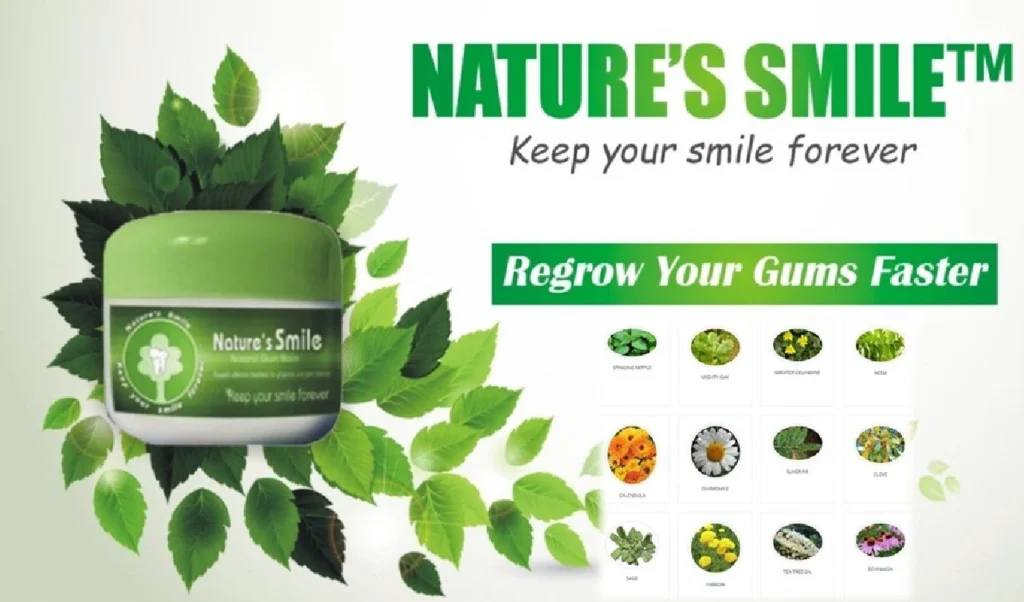
When used consistently, the gum balm may help support healthier gums and complement daily brushing and flossing.
Nature’s Smile Oral Rinse
The Nature’s Smile oral rinse is designed to cleanse the mouth while supporting gum health.
Unlike alcohol-based mouthwashes that may cause dryness, herbal rinses help maintain a balanced oral environment.
The rinse may help:
- Reduce harmful bacteria
- Freshen breath naturally
- Support gum health
- Enhance daily oral hygiene routines
Using both the gum balm and rinse together can provide a more complete approach to gum care. Cleveland Clinic+1
Using Nature’s Smile Alongside Better Nutrition
Diet changes are important, but they take time to show results. Supporting your gums topically while improving your eating habits may be a smart combination.
A simple daily routine may include:
- Brushing gently twice a day
- Flossing carefully once daily
- Drinking more water
- Reducing sugary and processed foods
- Applying Nature’s Smile as directed to support the gums
This approach helps address both internal and external factors.
Why a Food-Aware Oral Care Routine Works Better
Your gums are affected by what you eat and by how you care for them. Focusing on only one side of the problem may limit your results.
For example:
- You can brush well but still eat too much sugar
- You can eat well but ignore plaque along the gumline
- You can avoid soda but still have irritated gums from poor daily care
That is why a complete strategy works best. Smarter eating, gentle hygiene, and targeted gum support all matter.

Tips to Reduce Food-Related Gum Damage
If you want to protect your gums starting today, these habits can help:
Limit frequent snacking
Constant snacking keeps your mouth exposed to food particles and sugar more often.
Rinse with water after meals
This simple step may help wash away residue and reduce how long foods stay around the gums.
Do not sip sugary drinks all day
Try to keep sweet drinks occasional rather than constant.
Choose whole foods more often
Less processed food usually means less hidden sugar and more supportive nutrients.
Support your gums directly
Using a product like Nature’s Smile may help make your gum care routine more focused.
Final Thoughts
Your diet plays a powerful role in the health of your gums. Foods high in sugar, refined carbohydrates, acids, and artificial additives can slowly damage gum tissue and contribute to inflammation and gum disease.
By recognizing the foods that damage gum tissue over time and making healthier dietary choices, you can significantly improve your oral health.
Combining good nutrition with a consistent oral care routine—and supportive solutions like Nature’s Smile gum balm and oral rinse—can help maintain stronger, healthier gums.