

When people think about gum disease, they usually blame poor brushing, sugary foods, or skipping dental checkups. But there’s another factor that many overlook: sleep quality.
So, does poor sleep cause gum disease?
Emerging research suggests that poor sleep may contribute to gum disease by weakening the immune system, increasing inflammation, and allowing harmful oral bacteria to thrive.Your body does most of its repair and immune regulation during sleep. If you consistently get poor-quality or insufficient sleep, your body’s ability to fight infection—including gum infections—can decline.
In this article, we’ll explore how sleep affects oral health, why poor sleep may increase the risk of gum disease, and what you can do to protect your gums naturally.
Table of Contents
Understanding Gum Disease
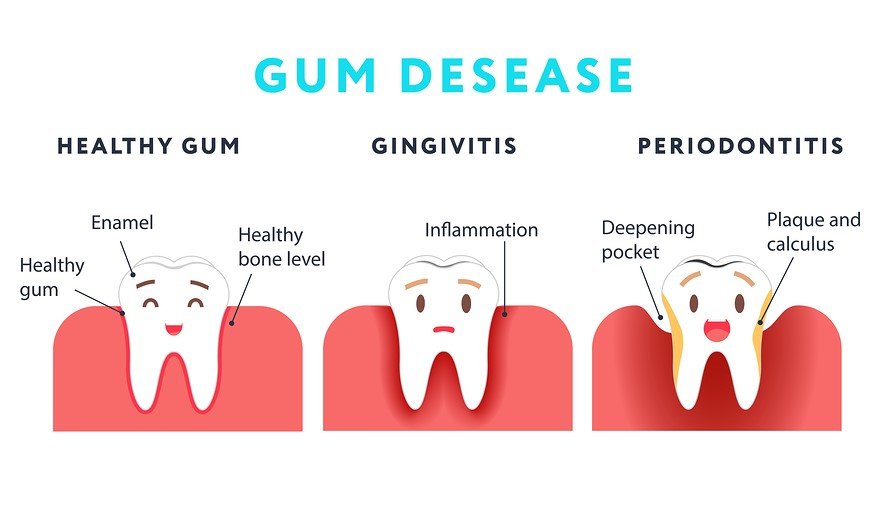
Before exploring the sleep connection, it’s important to understand what gum disease is. Gum disease, also known as periodontal disease, is an infection of the tissues that support your teeth. It usually begins with plaque buildup along the gum line. If plaque is not removed regularly through brushing and flossing, bacteria multiply and produce toxins that irritate the gums.
Common signs of gum disease include:
- Red or puffy gums
- Bleeding when brushing or flossing
- Persistent bad breath
- Gum tenderness
- Receding gums
- Loose-feeling teeth
- Gum pockets around the teeth
While plaque and bacteria are major contributors, other lifestyle factors can influence how easily gum disease develops. The disease typically progresses in stages.
Gingivitis
This is the early stage of gum disease. Symptoms include:
- Red or swollen gums
- Bleeding during brushing or flossing
- Mild gum tenderness
At this stage, the damage is usually reversible with proper oral care.
Periodontitis
If gingivitis is left untreated, it can progress to periodontitis. In this stage, bacteria spread deeper into gum tissue and begin damaging the bone that supports the teeth.
Symptoms may include:
- Gum recession
- Persistent bad breath
- Loose teeth
- Tooth loss in severe cases
Preventing gum disease requires addressing not only oral hygiene but also lifestyle factors—such as sleep.
How Sleep Affects Your Immune System
Sleep plays a vital role in maintaining a strong immune system. During sleep, the body produces cytokines, proteins that help regulate immune responses and fight infections. When you don’t get enough sleep, your body produces fewer of these protective proteins.
As a result:
- The immune system becomes weaker
- Inflammation increases
- The body struggles to fight bacteria
This weakened defense can allow harmful oral bacteria to grow more aggressively, increasing the risk of gum disease.
The Role of Inflammation in Gum Disease
Gum disease is essentially an inflammatory condition. When harmful bacteria accumulate near the gums, the body responds with inflammation to fight the infection. However, chronic inflammation can damage gum tissue over time.
Poor sleep is strongly linked to increased inflammation throughout the body. Studies show that people who regularly sleep less than six hours per night often have higher levels of inflammatory markers.
This means that poor sleep may create an environment where gum inflammation becomes more severe.
Sleep Deprivation and Oral Bacteria
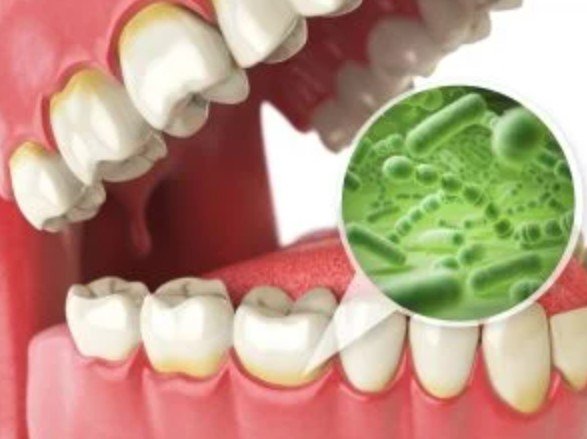
Your mouth contains more than 700 species of bacteria. Some of these bacteria are beneficial, while others can contribute to oral health problems. When sleep patterns are disrupted, the balance of bacteria in the mouth may change.
Sleep deprivation may:
- Increase harmful bacteria
- Reduce protective saliva flow
- Encourage plaque formation
These changes can make it easier for gum infections to develop.
Dry Mouth and Poor Sleep
Another way poor sleep affects oral health is through dry mouth. Many people experience reduced saliva production when they sleep poorly or breathe through their mouth at night.
Saliva plays a crucial role in oral health because it:
- Washes away bacteria
- Neutralizes acids
- Protects gum tissue
When saliva production decreases, bacteria can accumulate more easily along the gum line. This creates the perfect conditions for gum inflammation and disease.
Sleep Disorders Linked to Gum Disease
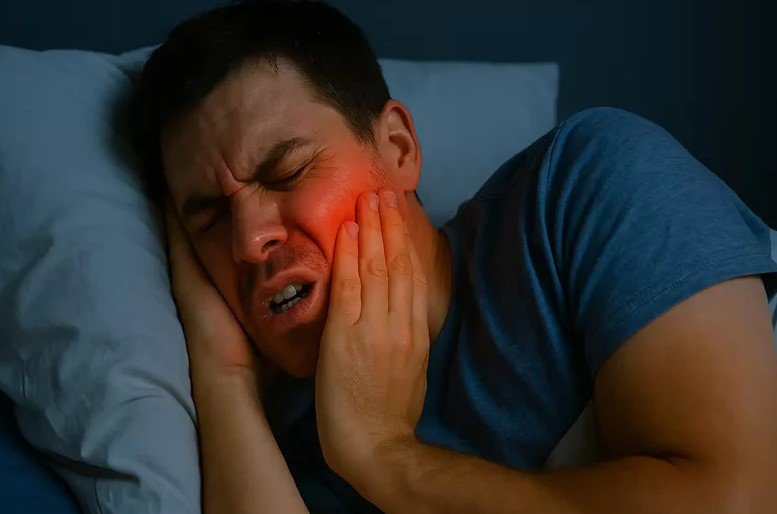
Several sleep-related conditions may increase the risk of gum problems.
Sleep Apnea
Sleep apnea is a disorder where breathing repeatedly stops and starts during sleep. People with sleep apnea often breathe through their mouths, which can cause dryness and increased bacterial growth. Research suggests that sleep apnea may be associated with higher rates of gum disease.
Insomnia
Chronic insomnia can weaken the immune system and increase inflammation, both of which may contribute to gum problems.
Nighttime Teeth Grinding
Also known as bruxism, teeth grinding can put pressure on the gums and supporting tissues. Over time, this pressure may contribute to gum recession and tooth damage.
Signs Your Sleep May Be Affecting Your Gum Health
If poor sleep is impacting your oral health, you may notice symptoms such as:
- Bleeding gums
- Persistent bad breath
- Increased gum sensitivity
- Jaw pain in the morning
- Dry mouth upon waking
These signs may indicate that your sleep habits are affecting your gums.
How Much Sleep Do You Need for Healthy Gums?
Most health experts recommend 7–9 hours of sleep per night for adults. Consistently getting enough sleep helps the body regulate inflammation and maintain a strong immune response.
This improves the body’s ability to fight infections—including those that affect the gums.
Quality sleep is just as important as quantity.
Interrupted sleep or irregular sleep schedules may also affect your body’s ability to recover and repair tissues.
Tips to Improve Sleep and Protect Your Gums
Improving your sleep habits can support both your overall health and your oral health.
Here are several strategies that can help.
- Maintain a Consistent Sleep Schedule: Going to bed and waking up at the same time every day helps regulate your body’s internal clock.
- Limit Screen Time Before Bed: Blue light from phones and computers can disrupt melatonin production, making it harder to fall asleep.
- Create a Relaxing Bedtime Routine: Activities such as reading, meditation, or gentle stretching can help signal to your body that it’s time to sleep.
- Avoid Late-Night Sugary Snacks: Sugary foods before bedtime can feed oral bacteria and increase plaque buildup.
- Stay Hydrated: Drinking enough water throughout the day helps maintain saliva production.
Oral Hygiene Habits That Support Healthy Gums

While sleep is important, maintaining strong oral hygiene habits is still essential.
Key habits include:
- Brush Twice Daily: Brushing removes plaque and bacteria before they irritate the gums.
- Floss Every Day: Flossing removes debris between teeth where toothbrushes cannot reach.
- Clean Your Tongue: The tongue can harbor bacteria that contribute to gum problems.
- Visit Your Dentist Regularly: Professional cleanings remove tartar and help detect gum issues early.
Also Read: Brushing Teeth but Gums Still Inflamed? Causes, Remedies, and What Actually Helps
The Mind–Body Connection and Oral Health
Modern research continues to reveal that oral health is closely connected to overall health.
Sleep quality affects many systems in the body, including:
- Immune function
- Hormone regulation
- Inflammation levels
- Bacterial balance
Because gum disease is influenced by these factors, improving sleep may indirectly support healthier gums.
When to See a Dentist
If you experience persistent gum symptoms such as bleeding, swelling, or pain, it’s important to consult a dental professional.
A dentist can identify early signs of gum disease and recommend appropriate treatments.
Early intervention is key to preventing more serious oral health problems.
Final Thoughts
So, does poor sleep cause gum disease? While poor sleep may not be the only cause, research suggests it can increase the risk of gum problems by weakening the immune system, increasing inflammation, and altering oral bacteria.
Sleep is an essential part of your body’s natural repair process. When you prioritize quality sleep, you support your immune system and improve your body’s ability to maintain healthy gums.By combining good sleep habits, strong oral hygiene, and a balanced lifestyle, you can protect your gums and maintain a healthier smile for years to come.