
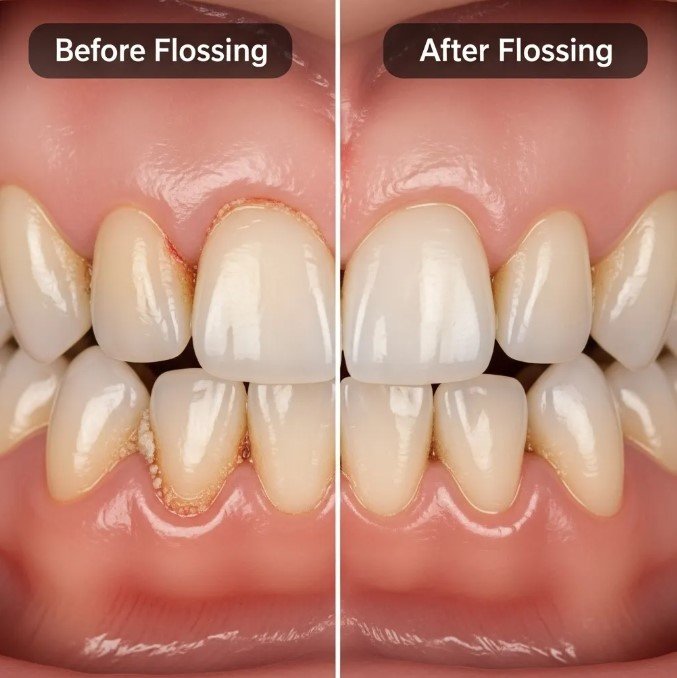
Flossing is one of the most important habits for maintaining good oral hygiene. It removes food particles and plaque from areas that toothbrushes cannot reach. But many people notice that their gums feel sore, sensitive, or slightly irritated after flossing.
This happens because flossing can expose bacteria hidden between teeth and along the gum line. If these bacteria remain in the mouth, they can contribute to gum inflammation, irritation, and even early gum disease.
That’s why many oral health experts recommend disinfecting your gums after flossing, especially if your gums tend to bleed or feel sensitive.
The good news is that you don’t always need chemical mouthwashes. There are several natural ways to disinfect gums after flossing, helping you maintain a healthier mouth while supporting your gum tissue.
In this article, we’ll explore effective natural remedies, daily habits, and herbal solutions like Nature’s Smile that can help keep your gums clean, healthy, and protected.
Table of Contents
Why Gums May Feel Sensitive After Flossing
Before learning how to disinfect gums naturally after flossing, it helps to understand why your gums may feel irritated in the first place.
Flossing disturbs bacteria and trapped debris
When you floss, you remove food particles and plaque that may have been sitting between your teeth and along the gumline. This is good, but it can also expose inflamed areas that were already irritated beneath the surface.
Your flossing technique may be too rough
Snapping floss into the gums can create tiny injuries and make the tissue feel sore. Many people do not realize that gentle flossing is just as important as flossing regularly.
Existing gum inflammation may already be present
If your gums bleed every time you floss, that can be a sign of gingivitis or another gum issue. In that case, flossing is helpful, but your gums may also need soothing and antibacterial support afterward.
Dry mouth and irritation may make things worse
If your mouth is dry, your gums may be more vulnerable to discomfort. Saliva naturally helps keep bacteria under control, so a dry mouth can leave your gums less protected after flossing.
Why Disinfecting Gums After Flossing Is Important
Flossing removes debris and plaque from tight spaces between teeth. While this is beneficial, it can temporarily expose sensitive gum tissue to bacteria.
When bacteria remain along the gum line, they may lead to:
- Gum irritation
- Redness and swelling
- Bleeding gums
- Bad breath
- Increased plaque formation
Disinfecting the gums after flossing helps eliminate bacteria and calm gum tissue, reducing the risk of inflammation. It also supports the healing process if your gums are slightly irritated after flossing.
Signs Your Gums Need Extra Protection
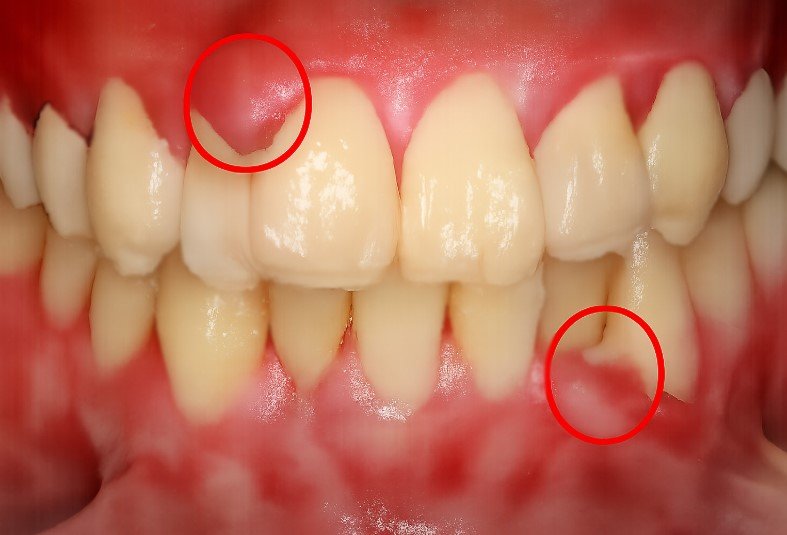
If your gums react strongly after flossing, they may need additional care.
Look for these signs:
- Bleeding while flossing
- Red or swollen gums
- Gum tenderness
- Persistent bad breath
- Sensitivity along the gum line
These symptoms often indicate bacterial buildup or early gingivitis. Taking steps to naturally disinfect your gums can help restore balance in your mouth.
See Other Post: Brushing Teeth but Gums Still Inflamed? Causes, Remedies, and What Actually Helps
Why Natural Gum Disinfection Matters
The goal after flossing is not just to make your mouth feel fresh. It is to help reduce leftover bacteria around the gumline without damaging the delicate tissue.
Harsh antiseptic mouthwashes can sometimes do more harm than good by:
- Drying out the mouth
- Causing a burning sensation
- Irritating already sensitive gums
- Disrupting the mouth’s natural balance
Natural gum care focuses on supporting the mouth gently while still helping keep the gum area clean.
Best Natural Ways to Disinfect Gums After Flossing
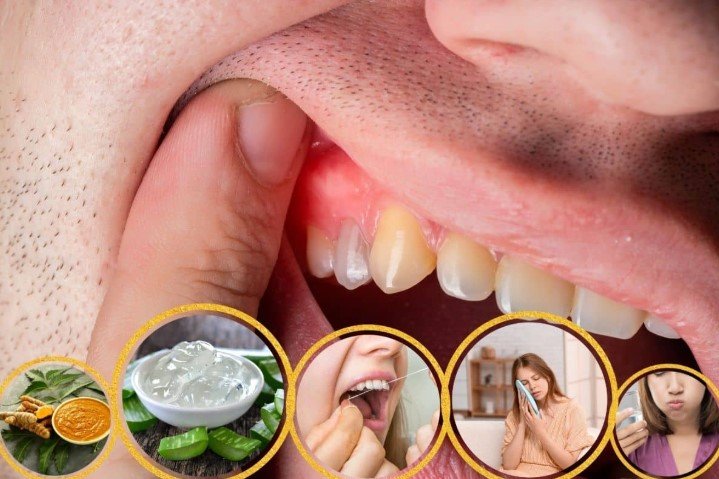
There are several natural remedies that can help cleanse your gums without harsh chemicals. These remedies focus on fighting bacteria, reducing inflammation, and promoting healing.
Warm Salt Water Rinse for Gum Cleansing
A warm salt water rinse is one of the simplest and most popular natural ways to cleanse the gums after flossing. It may help wash away loosened debris while soothing the gum tissue.
How to use it
Mix a small amount of salt into a glass of warm water and swish gently for about 30 seconds. Do not rinse too aggressively. The goal is to soothe, not irritate.
Why people use it
Salt water is often chosen because it is:
- Easy to prepare at home
- Gentle on the mouth
- Useful for freshening and soothing irritated gums
This is often the first step in a natural after-flossing routine.
Herbal Mouth Rinses for Gum Support
Herbal rinses are another natural option for people who want a more plant-based oral care routine. Depending on the formula, these rinses may be used to freshen the mouth and support gum comfort.
Common herbal ingredients people look for include:
- Neem
- Clove
- Peppermint
- Sage
- Myrrh
- Tea tree in properly diluted oral formulations
The key is to avoid overly strong homemade mixtures that may irritate your gums.
Coconut Oil Pulling as a Gentle Oral Care Practice
Some people include oil pulling in their natural oral care routine to support a cleaner mouth. Coconut oil is the most common choice.
When it may help
Oil pulling is usually done separately from flossing rather than immediately after, but some people like using it earlier in the day as part of a broader gum-care approach.
Important note
It should not replace brushing or flossing, but it may complement a natural oral hygiene routine.
Aloe Vera for Soothing Irritated Gums
Aloe vera is often used for calming irritated skin, and some people use oral-care aloe products for sore or sensitive gums.
After flossing, a gentle aloe-based oral gel may be appealing if your gums feel inflamed. It is best to use products specifically made for oral use.
Staying Hydrated to Support Gum Health
Water may seem simple, but it plays a big role in keeping your mouth clean. After flossing, drinking water can help rinse away loosened particles and support saliva production.
Saliva helps:
- Wash away bacteria
- Keep the mouth balanced
- Support healthier gums
A dry mouth can make your gums feel more irritated, so hydration matters more than many people realize.
The Right Way to Floss So You Do Not Irritate Your Gums

If you want to disinfect your gums naturally after flossing, start by making sure your flossing technique is not causing the problem.
Better flossing tips for healthier gums
- Use a clean section of floss for each tooth
- Guide the floss gently between teeth
- Curve it around the side of each tooth
- Slide it carefully under the gumline
- Avoid snapping or forcing the floss
If you floss gently, your gums are less likely to need heavy recovery afterward.
Signs Your Gums Need Extra Care After Flossing
A little tenderness at first can happen, especially if you are new to flossing. But recurring symptoms may mean your gums need more targeted support.
Watch for signs like:
- Bleeding often after flossing
- Swollen gum edges
- Gum soreness that lasts
- Persistent bad breath
- Gum pockets
- Redness around certain teeth
These signs suggest that your gums may benefit from a more complete care routine.
Supporting Gum Health with Herbal Solutions
While home remedies can help, many people prefer specialized natural oral care products that target gum health more effectively.
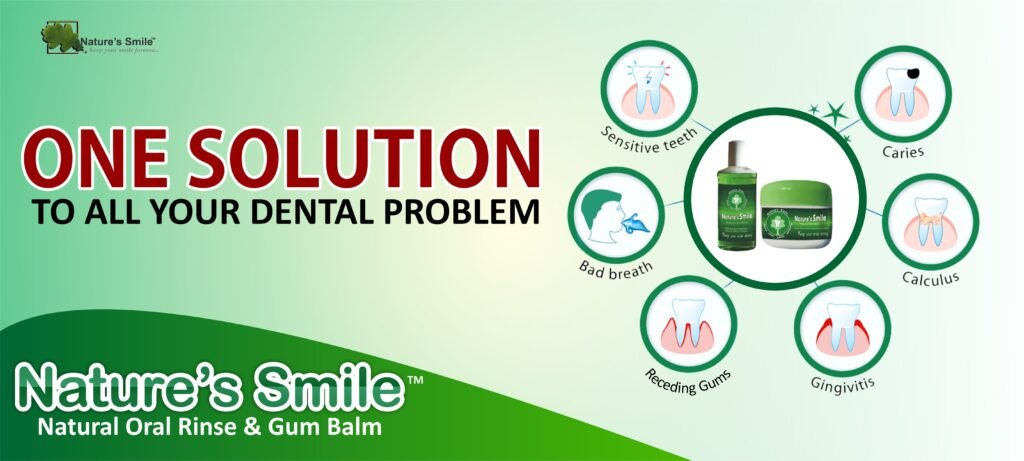
One popular herbal option is Nature’s Smile.
What Is Nature’s Smile?
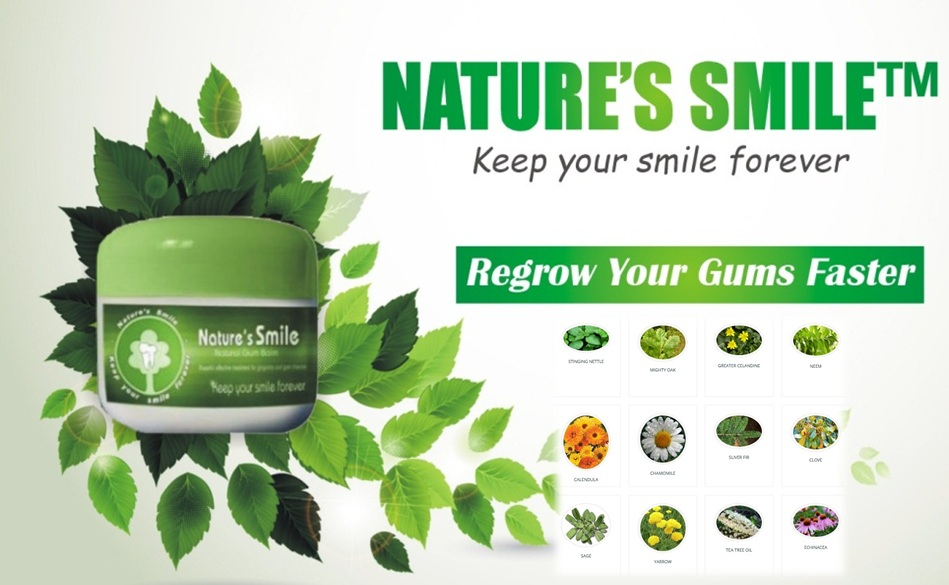
Nature’s Smile 100% herbal gum balm and mouth rinse designed to support gum health using natural plant extracts. The formula is based on traditional herbal ingredients known for their antibacterial, anti-inflammatory, and soothing properties.
Unlike many conventional oral products that rely heavily on chemicals, Nature’s Smile mouth rinse and gum paste focuses on plant-based ingredients to support healthier gums naturally.
Natural Ingredients in Nature’s Smile
Nature’s Smile contains several herbs traditionally used for oral health, including:
- Oak bark
- Chamomile
- Sage
- Peppermint
- Yarrow
- Nettle
These ingredients are known for their ability to support gum tissue, fight bacteria, and promote oral cleanliness.
How Nature’s Smile Helps Disinfect Gums
When applied to the gum line, Nature’s Smile helps support a healthier oral environment.
Its herbal ingredients may help:
- Reduce harmful bacteria
- Support gum tissue strength
- Calm gum irritation
- Freshen breath naturally
Using it after brushing and flossing may help maintain cleaner and healthier gums.
How to Use Nature’s Smile After Flossing
Nature’s Smile can easily be added to your oral hygiene routine.
Typical usage includes:
- Brush your teeth thoroughly.
- Floss to remove debris between teeth.
- Apply a small amount of Nature’s Smile to the gums.
- Gently massage it into the gum line.
With consistent use, this herbal balm may support healthier gums and improved oral hygiene.
Daily Habits That Support Healthy Gums
In addition to natural remedies and herbal products, your daily habits play a major role in gum health.
Here are a few important practices to follow.
- Step 1: Floss gently: Remove trapped debris without snapping the floss into the gums.
- Step 2: Rinse with warm salt water: Use a mild salt water rinse to help cleanse and soothe the gumline.
- Step 3: Brush with a soft toothbrush: Follow with gentle brushing using a soft-bristled toothbrush and a non-irritating toothpaste.
- Step 4: Apply a gum-focused product: This is where a product like Nature’s Smile may fit in. Applying it after flossing and brushing can make your routine more targeted.
- Step 5: Avoid eating immediately: Giving your gums a little time after your routine may help your mouth stay cleaner and more comfortable.
Natural Ingredients Often Associated With Gum Support
People interested in natural gum care often look for ingredients traditionally linked to oral wellness. Depending on the product, these may include:
- Neem
- Oak bark
- Silver fir
- Clove
- Myrrh
- Peppermint
These ingredients are often discussed because they fit the natural oral care niche and appeal to readers looking for botanical alternatives.
Brush Properly: Use a soft-bristled toothbrush and brush gently for at least two minutes. Proper brushing helps remove plaque without irritating the gums.
Stay Hydrated: Drinking enough water helps wash away bacteria and food particles throughout the day.
Eat a Balanced Diet
Foods rich in vitamins and antioxidants support gum health.
Include foods such as:
- Leafy greens
- Citrus fruits
- Nuts and seeds
- Whole grains
Vitamin C is especially important for maintaining strong gum tissue.
Avoid Excess Sugar: Sugary foods encourage bacterial growth in the mouth, increasing the risk of gum inflammation. Reducing sugar intake can help protect both your teeth and gums.
Replace Your Toothbrush Regularly: Old toothbrushes become less effective at removing plaque. Replace your toothbrush every three to four months.
When to See a Dentist

Natural remedies and good oral hygiene can support gum health, but some situations require professional care.
You should consult a dentist if you experience:
- Persistent gum bleeding
- Severe swelling
- Gum recession
- Loose teeth
- Chronic bad breath
These symptoms may indicate advanced gum disease that needs professional treatment.
Referral Links:
https://www.cdc.gov/oral-health/about/gum-periodontal-disease.html
https://www.perio.org/for-patients/gum-disease-information/
https://medlineplus.gov/gumdisease.html
Final Thoughts
Flossing is an essential step in maintaining oral hygiene, but it’s equally important to disinfect your gums afterward to remove bacteria and protect sensitive gum tissue. Natural remedies like salt water rinses, aloe vera, oil pulling, green tea, and turmeric can help cleanse the gums and reduce inflammation.
For those looking for a convenient herbal solution, Nature’s Smile offers a plant-based formula designed to support healthier gums and improve oral hygiene naturally.
Combining proper brushing, flossing, natural disinfecting methods, and herbal support can help you maintain stronger gums and a healthier smile.