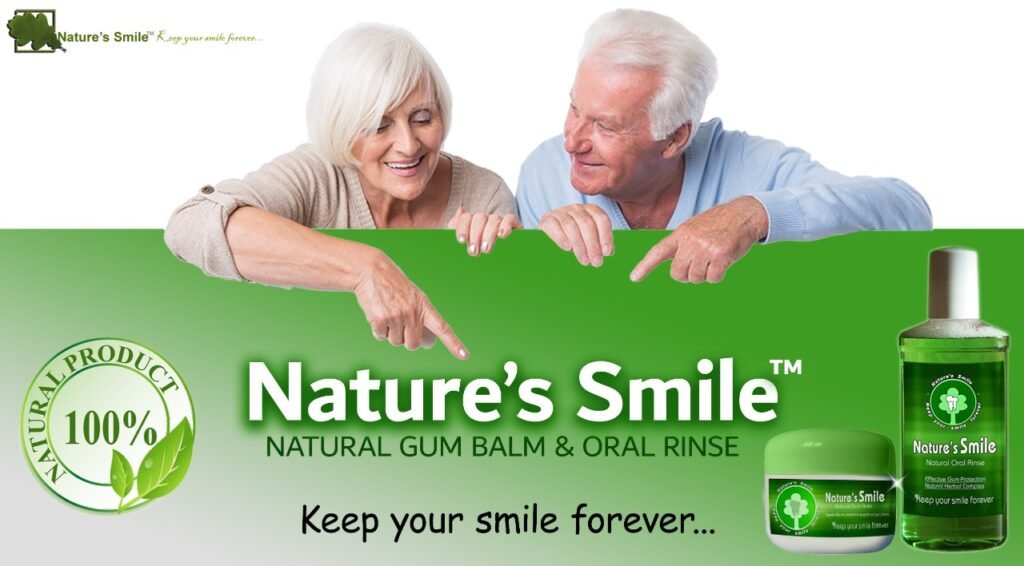

Aging brings wisdom, experience, and sometimes unexpected changes in our bodies—including our oral health. While most people focus on keeping their teeth strong as they get older, gum health becomes just as important, if not more so.
Your gums are the foundation that holds your teeth in place. Over time, factors like reduced saliva production, medication side effects, diet changes, and natural tissue aging can make gums more vulnerable to inflammation, recession, and infection.
The good news is that there are many natural ways to protect your gums as you age. With the right daily habits, a supportive diet, and effective oral care solutions such as Nature’s Smile gum balm and oral rinse, you can maintain strong and healthy gums for years to come.
In this guide, we’ll explore why gums weaken with age and the best natural strategies to protect them.
Table of Contents
Why Gum Health Changes as You Age
Aging affects every tissue in the body, including the gums. Over time, gum tissue can become thinner and less resilient. This makes it easier for bacteria to irritate the gums and cause inflammation.
Several factors contribute to age-related gum problems:
- Reduced saliva production
- Medication side effects
- Long-term plaque buildup
- Hormonal changes
- Chronic health conditions
- Poor nutrition
These factors can create an environment where harmful bacteria thrive. Without proper care, this can lead to conditions such as gingivitis, gum recession, and periodontal disease.
Understanding these risks allows you to take proactive steps to keep your gums healthy.
Common Gum Problems That Occur With Age
As people get older, certain gum issues become more common.
Gum Recession
Gum recession occurs when gum tissue gradually pulls away from the teeth, exposing the roots. This can increase sensitivity and raise the risk of decay.
Gum Inflammation
Inflamed gums are often red, swollen, and prone to bleeding during brushing or flossing.
Bleeding while brushing or flossing
Bleeding gums are often one of the earliest signs that your gum tissue is under stress.
Periodontal Disease
If untreated, gum inflammation can develop into periodontal disease, a serious condition that damages the tissues and bone supporting the teeth.
Dry Mouth
Dry mouth is a common issue among older adults and can increase bacterial growth in the mouth.
These issues do not always appear suddenly. They often build gradually, which is why recognizing these issues early helps prevent long-term damage.
Signs Your Gums Need More Protection
Your gums often give warning signs when they need extra care.
Watch for symptoms such as:
- Bleeding during brushing or flossing
- Persistent bad breath
- Gum tenderness or swelling
- Receding gums
- Tooth sensitivity
- Loose teeth
These symptoms may indicate that your gums are under stress and require better protection.
Why Natural Gum Care Matters More Over Time
As you age, it becomes even more important to be gentle and consistent. Many people assume they should brush harder or use stronger products when they notice gum changes. In reality, aggressive care can make things worse.
Natural gum care focuses on supporting the gums without overloading them with harsh ingredients or rough habits. The goal is to reduce irritation, maintain cleanliness, encourage healthier daily routines, and protect the gumline for the long term.
This approach is especially useful for people who:
- Prefer herbal or natural products
- Have sensitive gums
- Want to avoid overly harsh mouth products
- Are looking for a more targeted gum-care routine
Brush Gently to Protect Aging Gums
One of the most important ways to protect gums as you age naturally is to brush more gently, not more aggressively.
Overbrushing can slowly wear down the gumline and contribute to recession. A hard or medium-bristled brush can make this worse, especially on already sensitive gums.
Better brushing habits for aging gums
- Use a soft-bristled toothbrush
- Brush with gentle circular motions
- Hold the brush at a slight angle to the gumline
- Avoid scrubbing back and forth too hard
- Brush for two full minutes
If your toothbrush bristles wear out quickly, you may be brushing too hard.
Floss Carefully Without Injuring the Gums
Flossing is still essential as you age because plaque often builds between the teeth where toothbrush bristles cannot reach. But the technique matters.
Snapping floss into the gums can irritate delicate tissue and make soreness worse. Gentle flossing supports cleaner spaces between teeth while protecting the gumline.
Flossing tips for older adults
- Use a gentle sawing motion to guide floss between teeth
- Curve the floss around each tooth
- Slide it carefully beneath the gum edge
- Avoid forcing the floss into tight spaces
If traditional floss is difficult to use, floss picks or other gentle interdental tools may help you stay consistent.
Also Read: Natural Biofilm Remover for Teeth and Gums: A Complete Guide
Keep the Mouth Moist to Support Gum Health
Dry mouth is one of the biggest challenges for gum health as people age. Saliva helps wash away food particles, support oral balance, and protect soft tissues. When saliva is reduced, the gums may feel more irritated and bacteria may build up more easily.
Natural ways to support moisture in the mouth
- Drink water regularly throughout the day
- Avoid excessive caffeine if it worsens dryness
- Limit alcohol-heavy mouth products
- Breathe through your nose when possible
- Eat hydrating foods like cucumber and melon
A well-hydrated mouth is usually a healthier environment for your gums.
Eat More Foods That Support Stronger Gums
What you eat matters for gum health at every age, but nutrition becomes even more important as you grow older. Your gums need nutrients to stay resilient and recover from daily stress.
Nutrients that may support gum health
- Vitamin C for tissue support
- Vitamin D for overall oral health support
- Calcium for strong teeth and surrounding structures
- Omega-3 fats for a balanced inflammatory response
- Antioxidants from fruits and vegetables
Gum-friendly foods to include more often
- Leafy greens
- Berries
- Citrus in moderation
- Fatty fish
- Nuts and seeds
- Yogurt or other calcium-rich foods
- Crunchy vegetables
A diet full of processed foods, sugar, and refined carbs may make it harder to maintain healthy gums over time.
Avoid Foods That Irritate the Gums
Certain foods can contribute to gum inflammation over time.
Examples include:
- Sugary snacks
- Sticky candies
- Highly processed foods
- Sugary beverages
- Acidic drinks
These foods can encourage bacterial growth and increase the risk of plaque buildup. Limiting these items helps create a healthier environment for the gums.
Avoid Habits That Slowly Weaken Gums
Just as certain habits help the gums, others may slowly wear them down.
Habits that may stress aging gums
- Brushing too hard
- Smoking
- Frequent sugary snacking
- Ignoring bleeding gums
- Skipping flossing
- Using overly harsh oral products
- Letting dry mouth go unmanaged
Even small daily habits can have a long-term effect, which is why gum care should be part of your lifestyle, not just an occasional fix.
Daily Habits That Keep Gums Strong With Age
Consistency is key when it comes to protecting your gums. Adding a few simple habits to your daily routine can significantly improve long-term oral health.
- Clean Your Tongue: The tongue can harbor large amounts of bacteria that contribute to gum problems.
- Replace Your Toothbrush Regularly: Worn toothbrush bristles are less effective at removing plaque.
- Visit Your Dentist Regularly: Professional cleanings help remove hardened plaque that brushing cannot eliminate.
- Manage Stress: Chronic stress may weaken the immune system, making it harder for the body to fight gum infections.
Natural Lifestyle Choices That Support Gum Health
Beyond oral care, overall lifestyle habits influence gum health.
Healthy habits include:
- Getting enough sleep
- Staying physically active
- Maintaining balanced blood sugar levels
- Avoiding excessive alcohol consumption
These habits support the immune system and help the body fight inflammation.
Referral Links:
https://www.nidcr.nih.gov/health-info/older-adults-and-oral-health
https://www.cdc.gov/oralhealth/basics/adult-oral-health/index.html
https://www.nia.nih.gov/health/dry-mouth
https://www.health.harvard.edu/oral-health/gum-disease-and-heart-health
Use Natural Herbal Gum Support
As interest in natural wellness grows, many people are turning to herbal oral care products that support gum health without harsh chemicals.
Herbal ingredients can provide soothing and antibacterial benefits that help maintain a balanced oral environment.
One example of a natural gum care solution is Nature’s Smile.
How Nature’s Smile Supports Gum Health
Nature’s Smile is an all-natural oral care products designed to support healthier gums using plant-based ingredients.
The product line includes a gum balm and an oral rinse, both formulated to complement daily brushing and flossing.
These products focus on maintaining a healthy balance of bacteria in the mouth while soothing gum tissue.
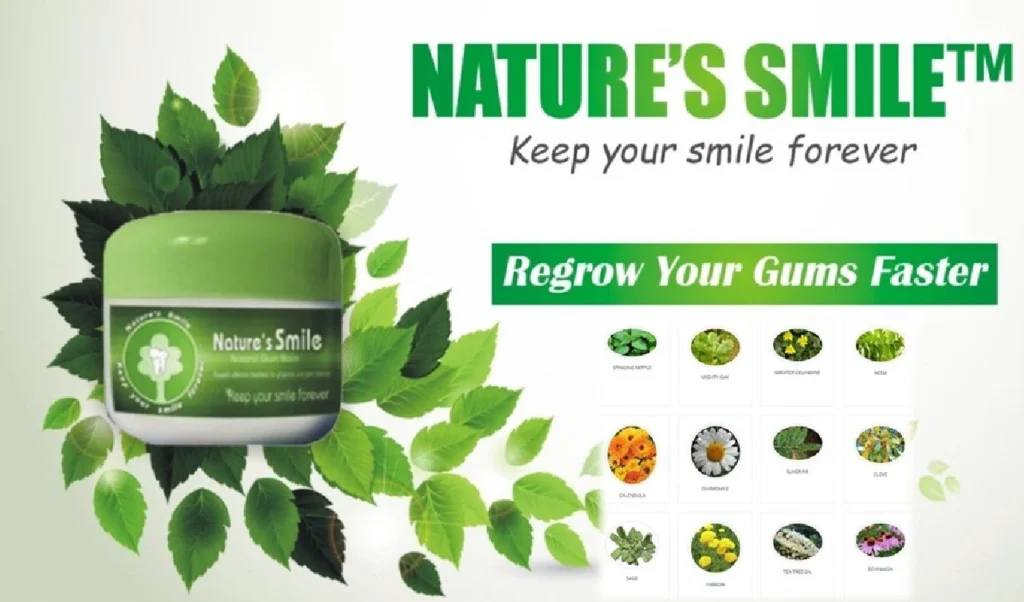
Nature’s Smile Gum Balm
The Nature’s Smile gum balm is applied directly to the gums. It contains a blend of herbal extracts traditionally used in natural medicine.
Key ingredients may include:
- Oak bark
- Chamomile
- Sage
- Peppermint
- Yarrow
- Nettle
These herbs are known for their natural antibacterial and soothing properties. Using the balm regularly may help support gum comfort and maintain healthy oral tissues.
Nature’s Smile Oral Rinse
The Nature’s Smile oral rinse is designed to complement the gum balm. Unlike many conventional mouthwashes that contain alcohol, herbal rinses focus on supporting a natural oral environment.
Benefits may include:
- Helping reduce harmful oral bacteria
- Freshening breath naturally
- Supporting gum health
- Enhancing daily oral hygiene routines
Using both the gum balm and oral rinse together provides a more comprehensive gum care routine.
Final Thoughts
Protecting your gums as you age is one of the most important steps toward maintaining a healthy smile and overall well-being. With time, gums become more vulnerable to inflammation and infection, but the right habits can make a powerful difference.
By maintaining proper oral hygiene, eating a nutrient-rich diet, staying hydrated, and avoiding harmful habits, you can keep your gums strong and resilient. If you’re looking for a natural way to support stronger, healthier gums, consider adding Nature’s Smile gum balm and oral rinse to your daily oral care routine.
Adding natural oral care support such as Nature’s Smile gum balm and oral rinse can further enhance your daily routine and help maintain healthy gums. These herbal formulas are designed to help maintain gum comfort, reduce harmful bacteria, and support long-term gum health naturally.
Healthy gums are the foundation of a confident smile—especially as you age.