
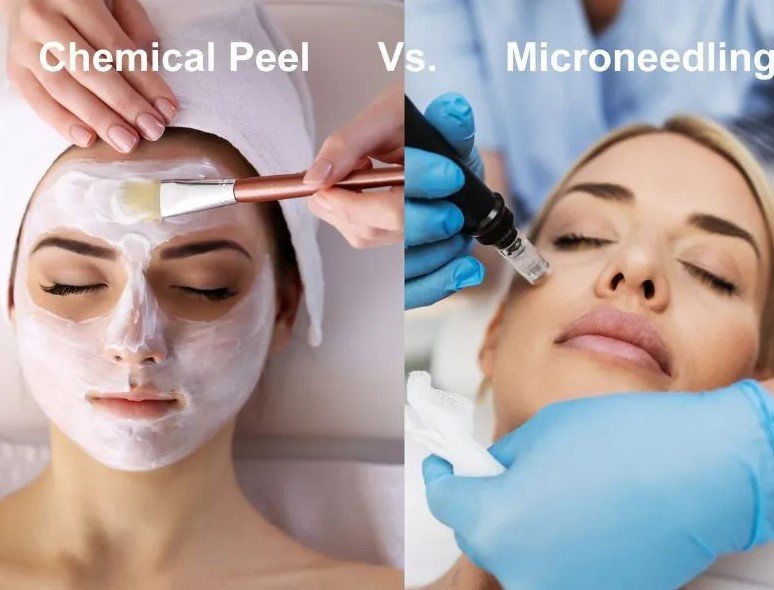

Two of the most popular skin rejuvenation treatments available in Lake Mary are microneedling and chemical peels. Both can improve the appearance and texture of the skin, but they work in very different ways.
And both can disappoint when the treatment isn’t matched to the right skin concern.
After 13+ years performing and planning skin rejuvenation treatments in Central Florida, I want to help you understand the real differences — so you can make a more informed decision about which option may be appropriate for your skin.
Who This Guide Is For
This article is for Lake Mary, FL residents and people in nearby Longwood, Sanford, Heathrow, Altamonte Springs, and Casselberry who are trying to decide between microneedling and chemical peels.
If you’ve been researching both treatments and aren’t sure which one fits your goals, this guide is for you.
The Quick Comparison
| Factor | Microneedling | Chemical Peels |
|---|---|---|
| Mechanism | Controlled micro-injuries | Chemical exfoliation |
| Best for | Scars, texture, pores | Tone, pigmentation, surface texture |
| Typical downtime | About 1–3 days | Varies by peel depth |
| Skin-tone considerations | Generally suitable when properly performed | Requires careful peel selection |
| Sessions needed | Often 4–6 | Often 3–6 |
| Cost in Lake Mary | Varies by provider and treatment | Varies by peel type and provider |
| Pain level | Mild to moderate | Mild to moderate, depending on depth |
Both treatments have substantial clinical literature behind them and may be appropriate for different cosmetic concerns. The American Academy of Dermatology (AAD), the American Society for Dermatologic Surgery (ASDS), and the American Society for Laser Medicine and Surgery (ASLMS) all recognize both as legitimate options for skin rejuvenation.
The right choice depends less on which treatment is “better” and more on what you’re trying to accomplish.
How Each Treatment Actually Works
Microneedling uses a device with fine, sterile needles to create controlled micro-injuries in the skin. This activates the body’s wound-healing response and encourages collagen and elastin remodeling.
This makes microneedling particularly useful when the goal is to improve skin texture, certain acne scars, fine lines, and the appearance of enlarged pores.
The National Institutes of Health PubMed database contains hundreds of peer-reviewed studies confirming that microneedling stimulates collagen production — increasing it by up to 200% in treated areas.
Chemical peels use a carefully selected chemical solution to exfoliate damaged layers of skin. Depending on the formulation and strength, a peel may work primarily on the surface or penetrate more deeply.
Common peeling agents include glycolic acid, salicylic acid, lactic acid, and trichloroacetic acid (TCA).
Light peels generally produce less downtime, while stronger peels can create more pronounced peeling and require longer recovery.
The important point is that “chemical peel” describes a broad category of treatments. A superficial peel and a deep chemical peel should not be treated as if they’re the same procedure.
Microneedling Is Often Preferred for Acne Scarring
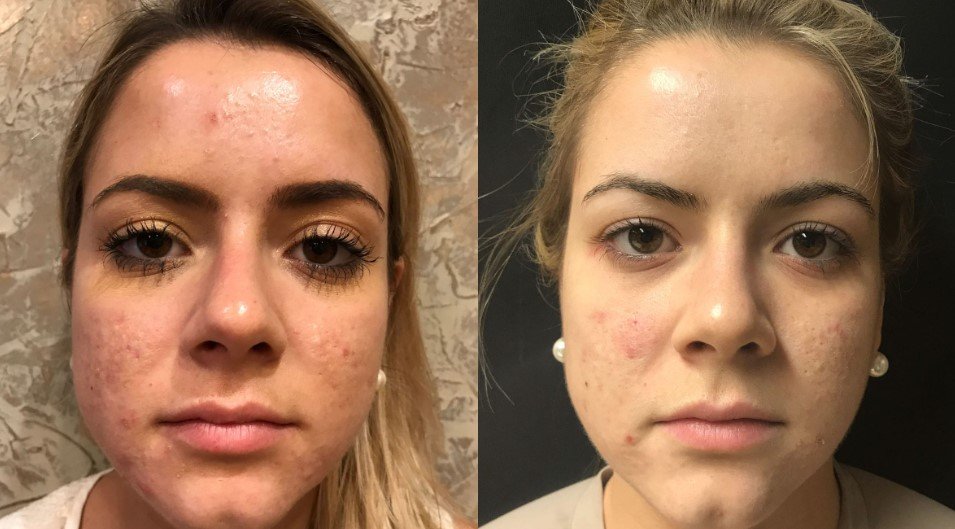
This is one of the clearest differences between the treatments. Microneedling is commonly used for atrophic acne scars, particularly rolling and boxcar scars, because the treatment targets the skin’s deeper remodeling process.
Chemical peels can improve discoloration left behind by acne and may improve superficial texture, but they generally aren’t designed to rebuild the deeper structural changes associated with depressed acne scars.
If your primary concern is atrophic acne scarring, microneedling may therefore be a more appropriate option.
However, scar type matters. Deep ice-pick scars, tethered rolling scars, or extensive scarring may respond better to combination treatment or another scar-revision procedure.
Microneedling Can Help With Texture and Pore Appearance
Microneedling stimulates collagen remodeling beneath the skin’s surface, which can help improve the appearance of:
- Uneven skin texture
- Enlarged pores
- Fine lines
- Shallow acne scars
- Overall skin smoothness
Chemical peels can also improve surface texture by removing damaged outer skin cells, but their primary effect depends heavily on the type and depth of the peel.
If your main concern is structural texture rather than surface dullness, microneedling may be worth discussing during a consultation.
What About Darker Skin Tones?
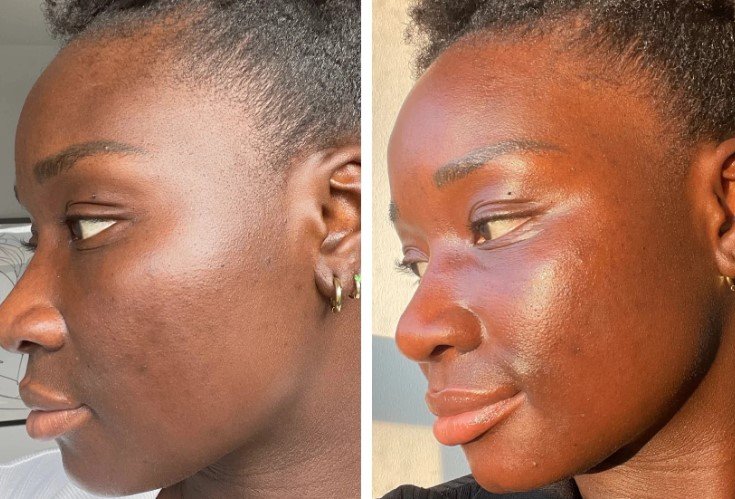
Skin tone should be an important part of treatment planning. Microneedling is often considered a useful option for people with medium-to-deep skin tones because it does not rely on heat or pigment-targeting energy. However, proper technique, sterile equipment, treatment depth, and aftercare still matter.
Chemical peels can also be performed safely on many darker skin tones, but the formulation, concentration, application technique, and provider experience need to be carefully considered.
Some stronger peels carry a greater risk of post-inflammatory hyperpigmentation, particularly when used inappropriately.
Practical takeaway: If you have a deeper skin tone, don’t choose a treatment solely because someone says it’s “safe for all skin.” Ask how the provider adjusts the treatment for your individual skin type and pigmentation risk.
Chemical Peels Often Win for Pigmentation
Chemical peels can be particularly useful when the primary concern is surface pigmentation or uneven tone.
They may help address:
- Sun-related discoloration
- Certain types of post-inflammatory hyperpigmentation
- Dull-looking skin
- Uneven tone
- Some acne-related discoloration
Different acids are selected for different concerns. For example, salicylic acid may be useful for oily or acne-prone skin, while other formulations may be selected for pigmentation or overall rejuvenation.
Melasma requires particular caution because aggressive treatment can sometimes worsen pigmentation. The best peel is therefore not necessarily the strongest peel. It is the formulation and strength appropriate for your skin and concern.
Chemical Peels Can Be Useful for Certain Acne Concerns
If you’re dealing with active acne, your treatment plan should address the acne itself before focusing heavily on acne scarring.
Certain superficial chemical peels, including salicylic-acid-based treatments, may be used as part of an acne-management plan because they can help exfoliate the skin and reduce clogged pores.
Microneedling, meanwhile, is generally performed on stable skin rather than directly over active inflammatory or cystic acne.
If you’re experiencing frequent breakouts, discuss acne control with a qualified provider before scheduling a scar-focused treatment.
Which Treatment Gives Faster Visible Results?
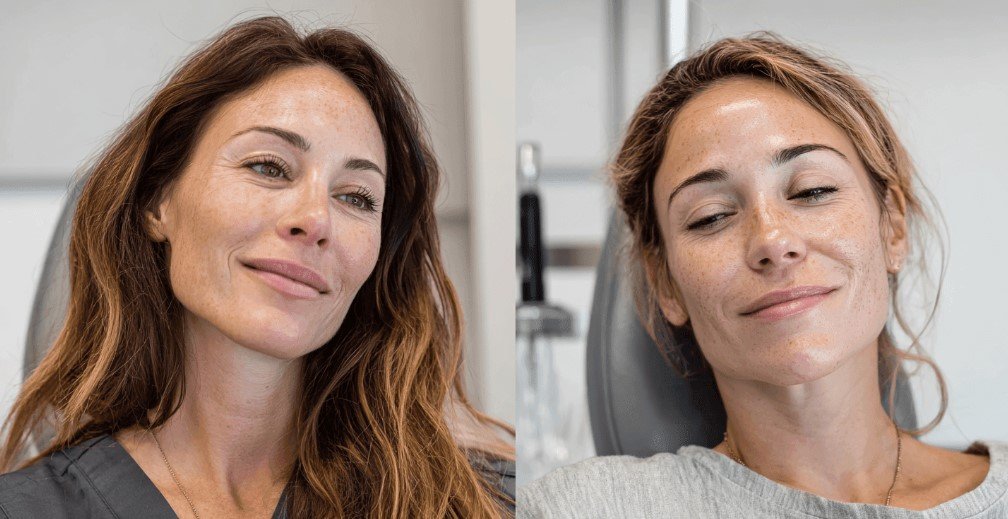
Chemical peels can sometimes produce noticeable surface changes after a single treatment, particularly when the goal is brighter or smoother-looking skin.
Microneedling typically works more gradually because collagen remodeling takes time. A series of treatments is commonly recommended when treating acne scars, texture, or fine lines.
So if you have an upcoming event and your primary goal is short-term surface rejuvenation, a superficial peel may be worth discussing.
If your goal is gradual structural improvement in texture or acne scarring, microneedling may be a better long-term option.
What About Combining Both?
In some treatment plans, microneedling and chemical peels can complement one another. For example, a provider may use one treatment to address texture and another to address pigmentation or surface concerns.
Recent evidence suggests combination therapy may provide additional benefit for some atrophic acne scars, but protocols should be individualized rather than presented as a universal schedule. (Pubmed)
However, they should not automatically be performed close together. Your provider should determine the appropriate spacing based on the treatment depth, skin condition, sensitivity, and risk of pigmentation or irritation.
A possible treatment plan might involve:
- Microneedling session
- Recovery period
- Skin assessment
- Superficial peel at an appropriate interval
- Additional microneedling after the skin has recovered
Combination treatment should be personalized rather than following a fixed schedule.
The Florida Sun Factor
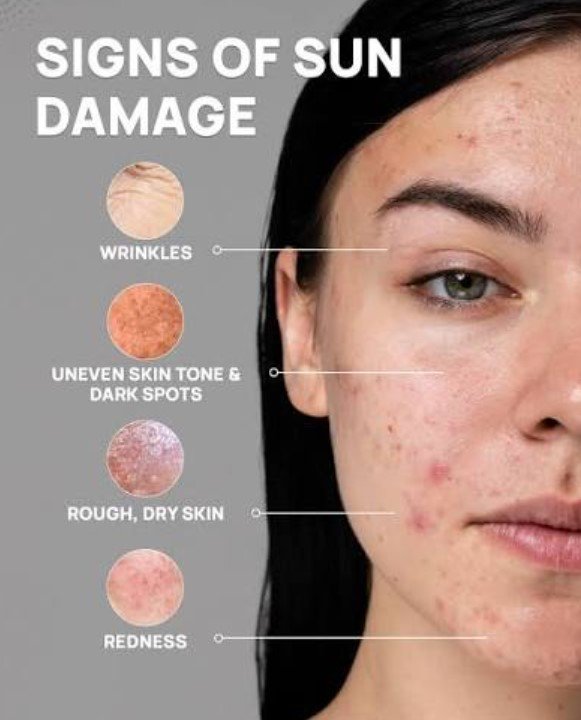
Sun protection is particularly important for anyone undergoing skin-resurfacing treatments in Central Florida. After microneedling or a chemical peel, recently treated skin can be more sensitive to environmental exposure. Excessive UV exposure may increase irritation and contribute to unwanted pigmentation.
Lake Mary residents should discuss appropriate aftercare with their provider, which may include:
- Applying broad-spectrum SPF 30+ as directed
- Reapplying sunscreen when outdoors
- Limiting prolonged direct sun exposure
- Wearing a wide-brimmed hat or protective clothing
- Following the provider’s instructions regarding exercise, swimming, and heat exposure
Don’t assume that winter or cloudy weather eliminates the need for sun protection.
Cost Comparison in Lake Mary
Pricing varies considerably depending on provider experience, treatment depth, products used, treatment area, and whether you’re purchasing a package.
| Treatment | Typical Price Range | Main Consideration |
|---|---|---|
| Light Chemical Peel | $150–$200 | Surface exfoliation and tone |
| Medium Chemical Peel | $300–$500+ | More intensive resurfacing |
| Cosmetic Microneedling | $200–$400 | Texture and general rejuvenation |
| Medical Microneedling | $400–$700+ | Deeper concerns such as acne scarring |
These figures are general estimates rather than guaranteed Lake Mary pricing. Ask your provider for a current quote based on your specific treatment plan.
Which Should You Choose?
Choose Microneedling if your main concerns are:
- Atrophic acne scars
- Uneven or rough texture
- Enlarged pores
- Fine lines
- Gradual collagen remodeling
Consider Chemical Peels if your main concerns are:
- Uneven pigmentation
- Sun-related discoloration
- Surface dullness
- Certain types of acne
- You want relatively quick surface rejuvenation
Consider Both if:
- You have multiple skin concerns
- You want to address both tone and texture
- Your provider believes combination treatment is appropriate
- You’re willing to follow a longer treatment and recovery plan
There isn’t one universally superior treatment. The right option depends on your skin, concerns, medical history, and desired outcome.
Common Mistakes to Avoid
- Choosing based on price alone. The cheapest treatment isn’t necessarily the safest or most appropriate.
- Picking the trendiest treatment. A procedure that worked for someone online may not be suitable for your skin.
- Ignoring skin tone considerations. Treatment depth and product selection can influence pigmentation risk.
- Skipping aftercare. Poor sun protection and failure to follow post-treatment instructions can compromise recovery.
- Expecting dramatic results after one session. Many skin concerns require a series of treatments and time for the skin to remodel.
- Assuming stronger means better. More aggressive treatment can also mean more downtime and greater risk of complications.
Frequently Asked Questions
Can I do both microneedling and chemical peels?
Potentially, yes. However, they should be appropriately spaced and planned by a qualified provider. Combining treatments too aggressively can increase irritation and pigmentation risk.
Which is better for acne scars?
Microneedling is often preferred for atrophic acne scars because it promotes collagen remodeling. Deep or complex scars may require combination treatment.
Which is better for dark spots?
Chemical peels can be particularly useful for certain pigmentation concerns, although the correct formulation depends on the cause of the discoloration and your skin type.
Which has less downtime?
Downtime varies by treatment depth. Superficial chemical peels may have minimal downtime, while stronger peels can require more recovery. Microneedling commonly causes redness and sensitivity for a few days.
Which is safer for darker skin tones?
Neither treatment is automatically safest for everyone. Microneedling is often considered a useful option for darker skin tones, while chemical peels can also be appropriate when the formulation and strength are carefully selected.
Which is more affordable?
Superficial chemical peels are often less expensive per session, but total cost depends on how many treatments you need and what concern you’re treating.
How do I know which treatment I need?
A professional consultation is the best way to determine whether microneedling, a chemical peel, or another treatment is appropriate for your skin.
Not Sure Which Treatment Is Right for Your Skin?
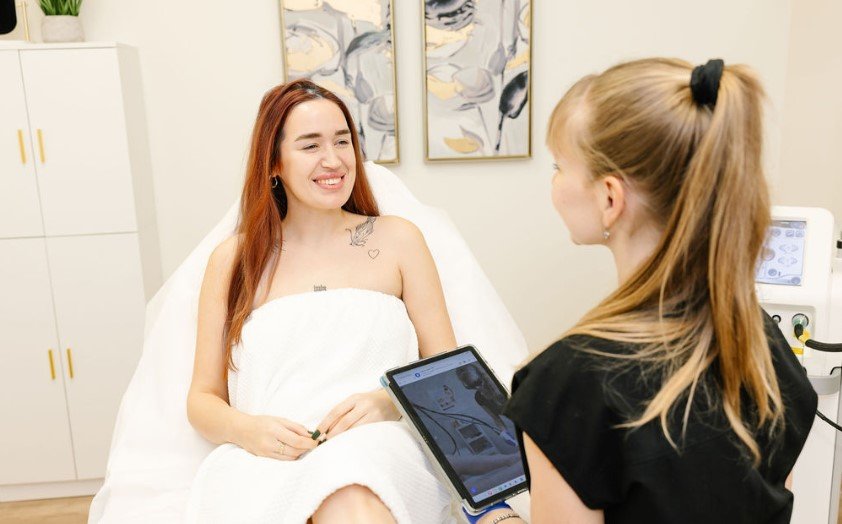
Both microneedling and chemical peels can be valuable skin-rejuvenation options when they’re appropriately selected and performed.
The key is matching the treatment to your specific concern, skin type, pigmentation risk, lifestyle, and recovery expectations.
If you’re researching microneedling services in Lake Mary options and aren’t sure whether microneedling or a chemical peel is the better fit, start with a professional consultation rather than choosing based solely on price or online reviews.
At Ekaterina Med Spa, we evaluate each patient’s skin individually, explain realistic treatment options, and help determine whether microneedling, chemical peels, or another approach makes sense for their goals.
👉 Book your consultation at Ekaterina Med Spa and get a personalized recommendation based on your skin.
Address:
Ekaterina Med Spa, 725 Primera Blvd, suite 105, Lake Mary, FL, United States, Florida
Phone: (407) 227-4998
Medical Disclaimer: This article is for educational purposes only. Individual results vary. Consult a qualified healthcare provider before any cosmetic treatment.
About the Author
Yelena Markovich | Licensed Medical Esthetician | 13+ years of experience in skin rejuvenation, microneedling, and chemical peel protocols for diverse skin types.
Medical Reviewer
Dr. Anastasia Volkov, MD | Board-Certified Dermatologist | Reviewed: November 2025
Last Updated: November 2025

